
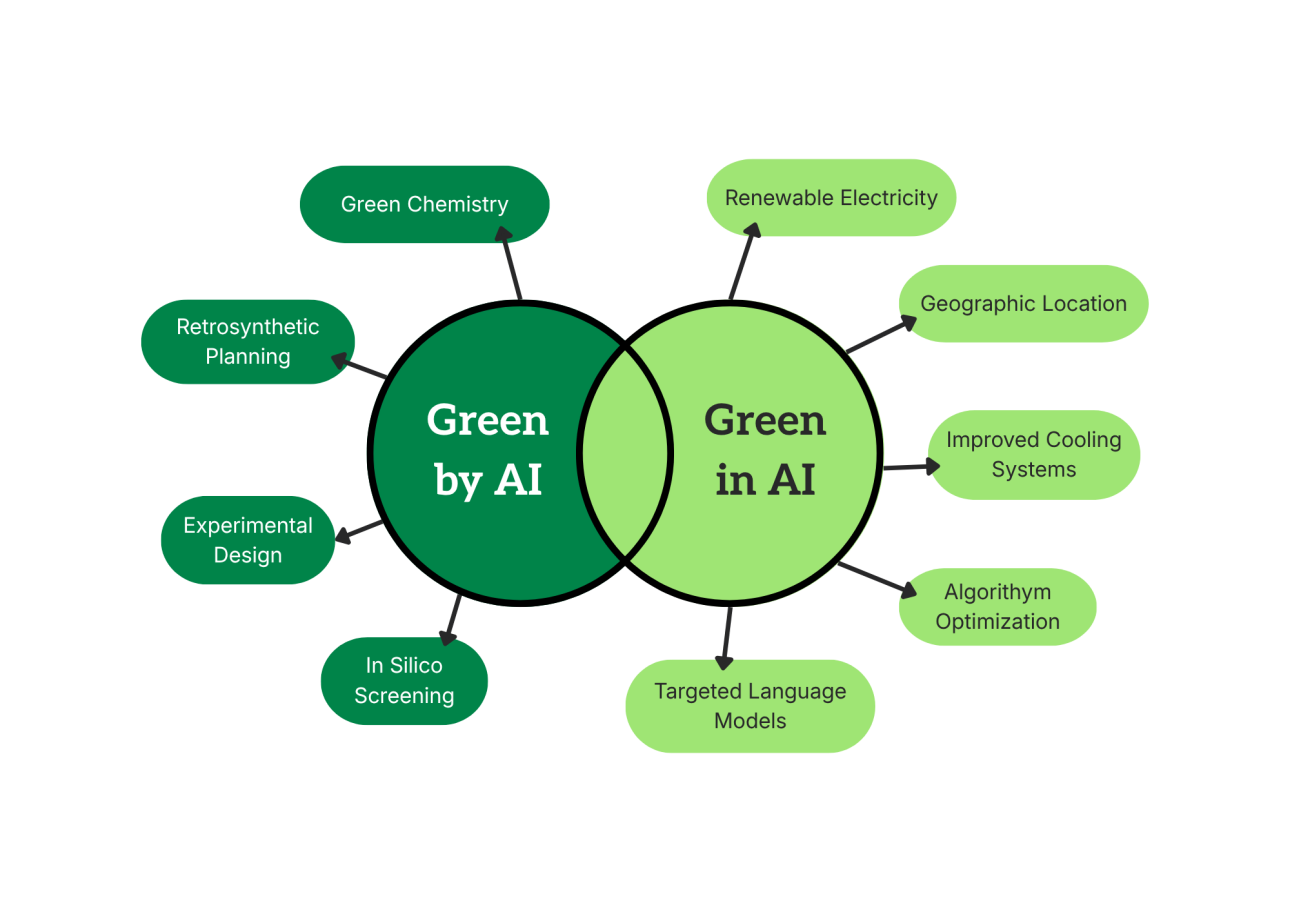
AI can help chemists design greener reactions and choose safer solvents, yet its own footprint of energy, water, and hardware demand is growing fast. Weigh the trade-offs and see what labs can do now, from choosing lower-carbon data centers to using smaller, task-specific language models.
Discover how surgical pathology labs can reduce their environmental footprint without compromising diagnostic accuracy or patient safety. Learn how pathologists Alessandro Gambella and Federica Grillo are applying green pathology principles across the full diagnostic workflow, and how starting with your lab’s own hotspots, rather than a generic checklist, can lead to practical, meaningful change.

What’s next for sustainable science? James Connelly shares ten predictions for 2026, from shared supplier standards and the end of greenwashing to the growing footprint of AI data centers. Watch the clip and read the article to see why this is the year sustainability moves from ambition to accountability.

Food, nutrition, and sensory science labs have their own sustainability challenges, and this free guide offers a clear roadmap for tackling them. Get practical strategies for cutting energy use and waste, greening procurement, and aligning with ISO standards, plus a ready-to-use checklist from Dr. Paula Conroy.

My Green Lab says thank you to Penny James, a champion of the organization’s mission, as she steps down from the Board after retiring from AstraZeneca. Meet Liz Chatwin, AstraZeneca’s Vice President of Sustainability and Global SHE, who joins the Board with nearly 30 years of pharmaceutical industry experience.
Labs rank second only to data centers in energy use per square foot, but small changes can make a big difference. Get eight practical, proven tips, from closing fume hood sashes to adjusting freezer settings and sharing equipment, that cut energy use without compromising your science.
Need a little good news? This Earth Day roundup highlights five sustainability wins from around the world, including California running on renewable power, The Ocean Cleanup’s record trash removal, and France’s move to ban PFAS in consumer products. Read on for a dose of inspiration, plus the vertical farms and public transit projects that show real progress is underway.
Every successful lab certification starts with someone willing to lead the way. Guest author Jazmine Stenger-Smith of Impact Laboratories explains what Lab Leads and Organization Admins do, and how the role builds sustainability expertise, professional connections, and leadership skills along the way.
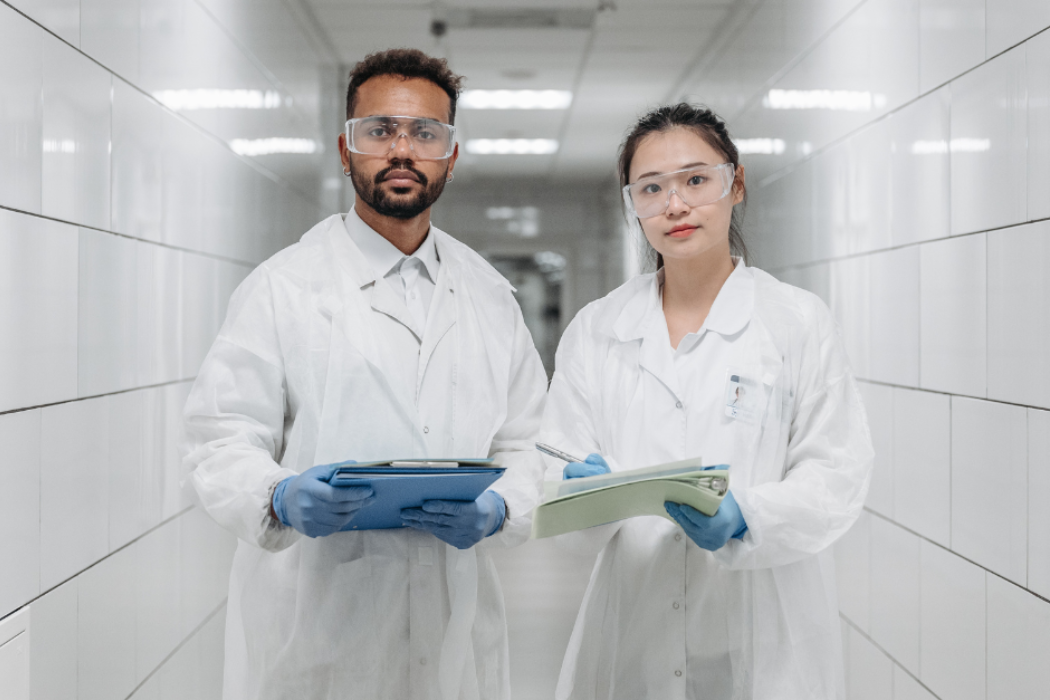
My Green Lab Certification 2.0 has officially launched, bringing third-party verification, shorter mobile-friendly surveys, and an integrated Impact Estimator to the world’s most trusted green lab certification. Take a look at the new features and how they help labs reduce energy, waste, water, and chemical use while building a lasting culture of sustainability.
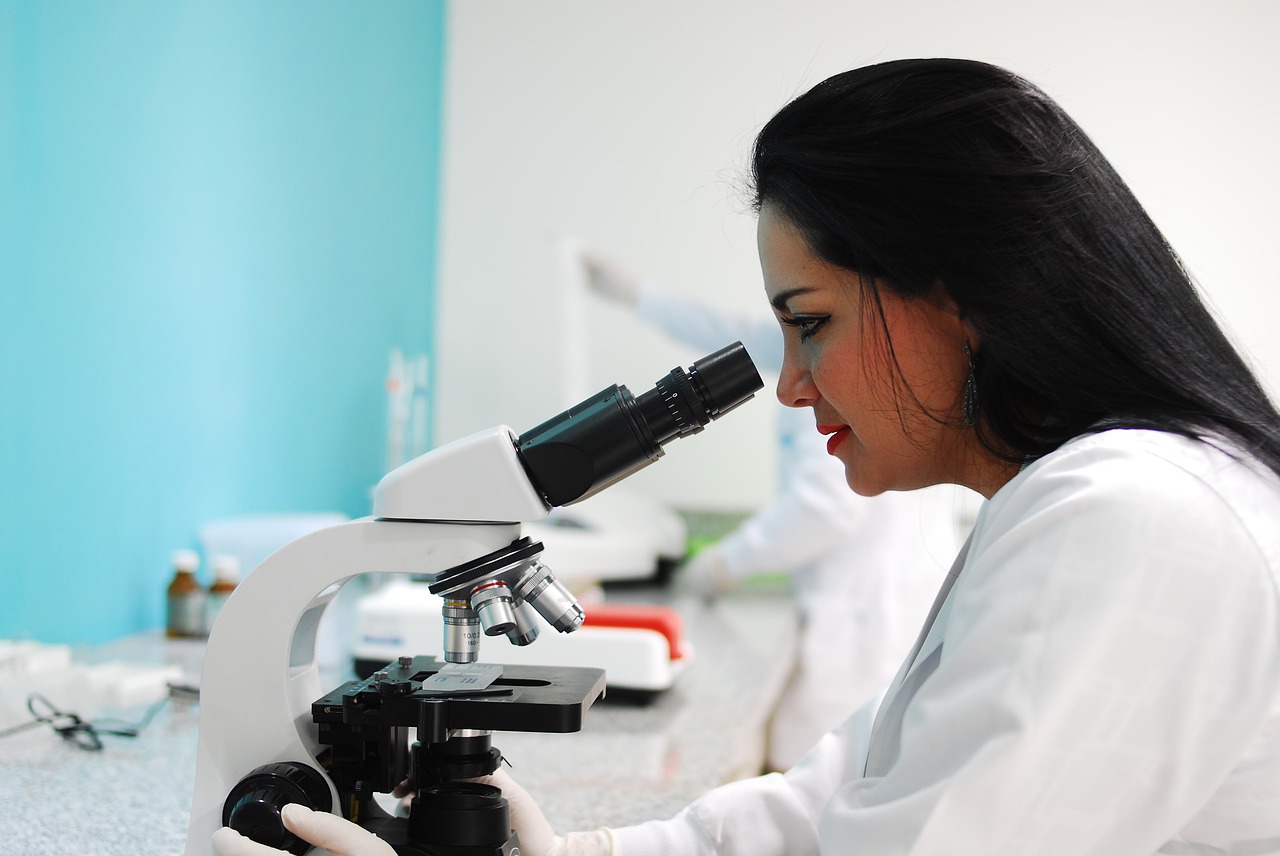
Take a look back at the milestones that shaped My Green Lab’s 2024, from the launch of Impact Laboratories and Certification 2.0 to EPA recognition and a record-setting Freezer Challenge. James Connelly’s top ten recap highlights how the global green lab community moved sustainability further into everyday science.
A failed ULT freezer can wipe out years of research, so choosing the right one matters more than most lab purchases. Use these five tips from PHC Corporation of North America to weigh capacity, reliability, lifetime cost, and verified sustainability credentials before you buy.

Biogen became the first large biotech company to certify every one of its labs through My Green Lab, finishing two years ahead of its target. Learn how a pilot program, a Core Committee, and volunteer Lab Ambassadors turned simple actions like smarter purchasing, better recycling, and equipment audits into company-wide change.
