Whether you're just starting your sustainability journey or looking to deepen your lab’s commitment to sustainability, here are 8 impactful actions you can take today to improve energy efficiency in the lab.
Central to the success of the certification process, which is designed to engage scientists and lab professionals, is the Lab Lead—a key champion who takes on the responsibility of guiding their lab through the certification process.
My Green Lab is thrilled to announce the launch of My Green Lab Certification 2.0, the next generation of the world’s most trusted green lab certification!
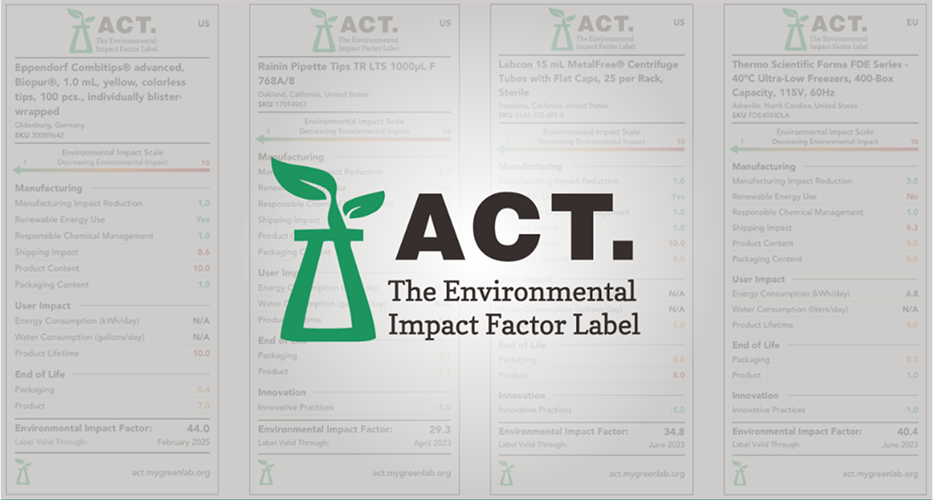
We are thrilled to announce the recommendation of both My Green Lab Certification and the ACT Ecolabel Program into the Environmental Protection Agency’s (EPA) Environmentally Preferable Purchasing (EPP) Program!
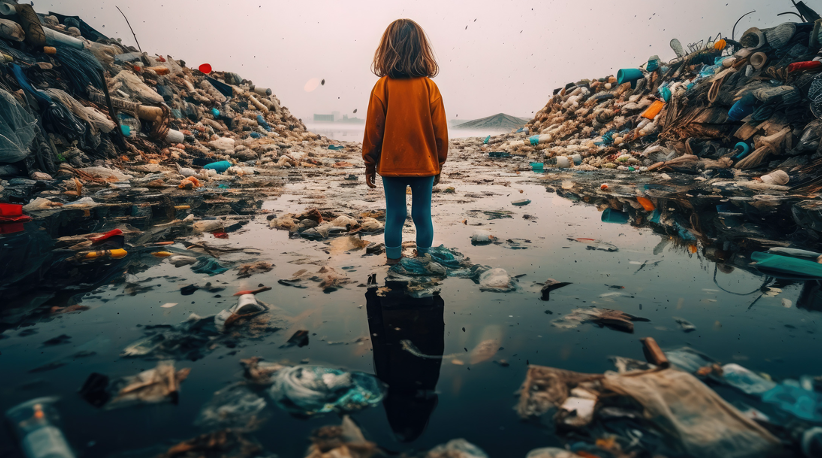
Over the past decade, single-use plastics have emerged as a critical component in the life sciences industry, offering a unique combination of convenience, sterility, and cost-effectiveness. While single-use plastics have played a pivotal role in advancing the industry, it is crucial to acknowledge their environmental repercussions.
In the ever-evolving landscape of scientific research, balancing groundbreaking discoveries with sustainable practices is critical, as labs are resource-intensive spaces with significant environmental impacts. Envision a world where every laboratory operates at peak efficiency, not just in its research but in its commitment to sustainability. Achieving this vision begins with one crucial element: education.

As most scientists and lab experts would agree, laboratories demand substantial resources and have a considerable ecological footprint. To put it in perspective, labs generate an astonishing 12 billion pounds (5.5 billion kg) of plastic waste annually and consume ten times the energy and four times the water compared to typical office spaces.
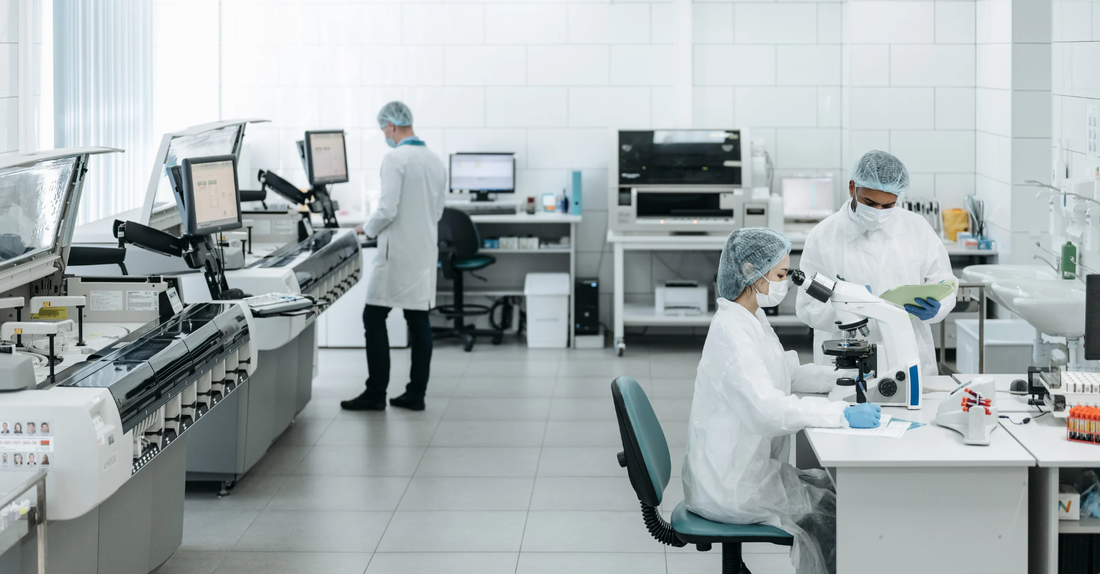
Laboratories are some of the most resource-intensive spaces on the planet, using 10x more energy and 4x more water than office spaces and creating 12 billion pounds of waste each year. Going green is no longer an option but a requirement for creating long-term, positive changes to the way we operate in the lab. If you are part of a faculty setting up a new laboratory, or part of a team that is updating an existing lab, incorporating sustainable design elements should be a key priority.
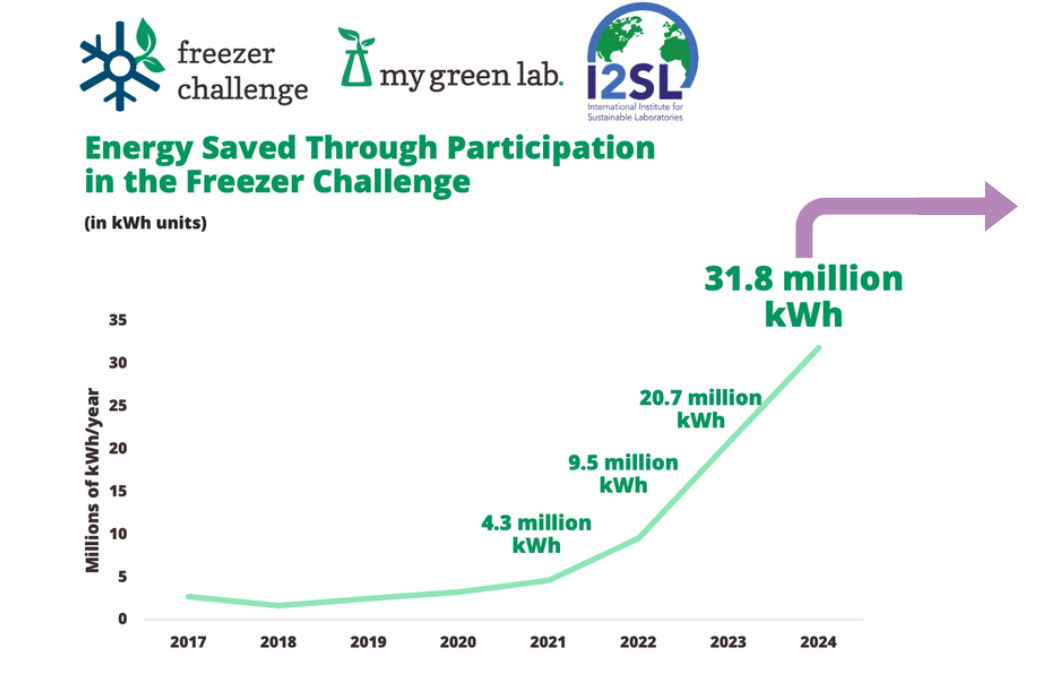
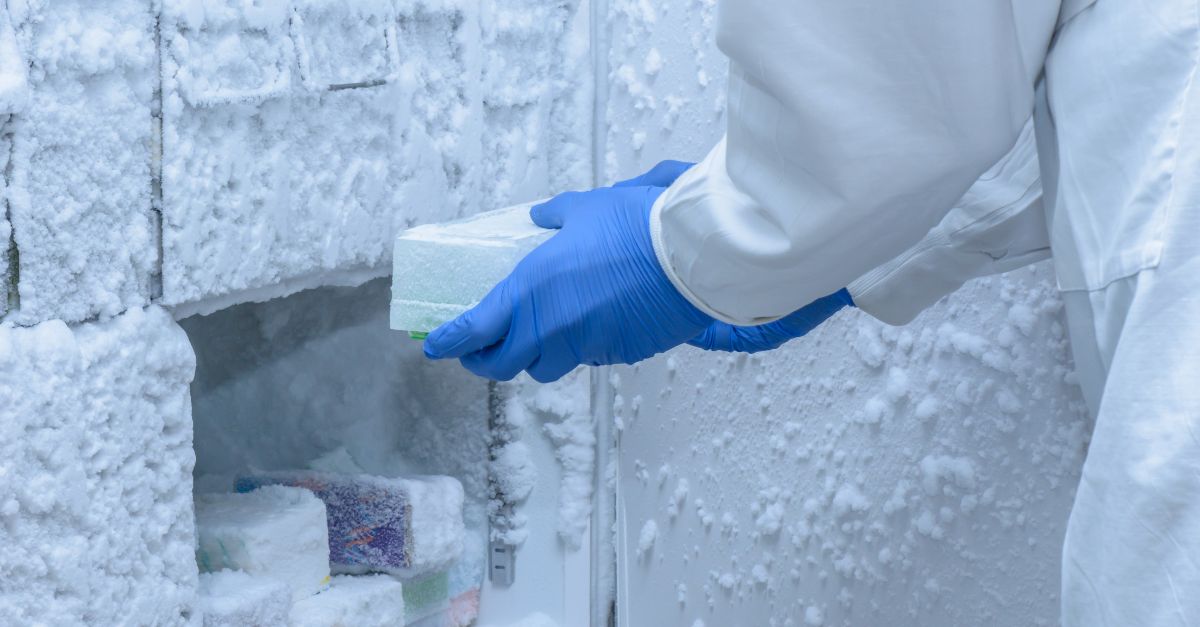
With over 1,200 labs from 27 countries and over 12,000 cold storage units participating, the 2022 Freezer Challenge has saved a total of 6,732 metric tons of carbon dioxide! This is the equivalent of the energy consumption of over 1,300 homes for one year. Since it's launch in 2017, the International Laboratory Freezer Challenge from My Green Lab and the International Institute for Sustainable Laboratories (I2SL) has saved a total of 24 million kWh of energy, reducing emissions by 16,796 metric tons, the equivalent of saving energy consumed by 3,268 homes for one year.