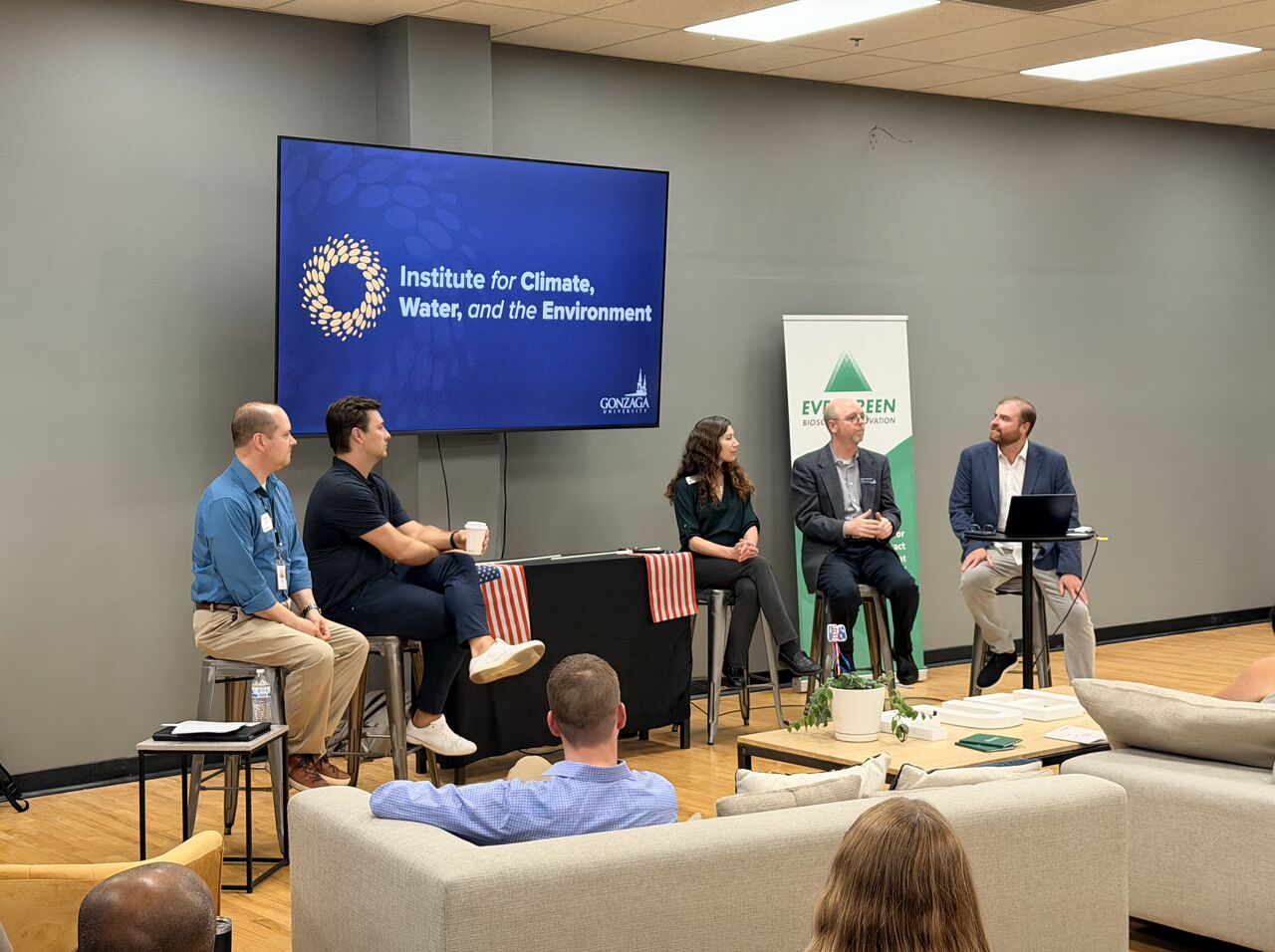
Find out what happened when leaders from Spokane’s healthcare, life science, and sustainability communities came together to explore how climate change and human health are connected. Hear how regional experts and James Connelly shared practical ways to cut emissions, lower costs, and build sustainability into labs and startups from day one.
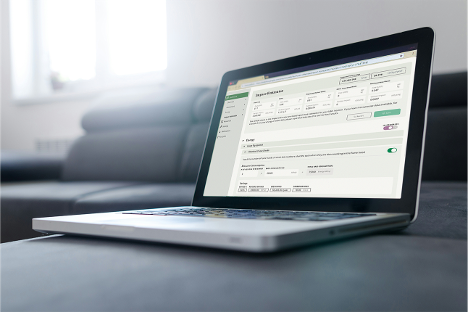
Discover how the Impact Estimator turns everyday laboratory sustainability actions into clear, measurable results, from avoided emissions to resource and cost savings. Hear from Sam Wright on why resource intensity isn’t just the cost of doing business, and how labs can start reducing their impact right now without major capital investment.
Food, nutrition, and sensory science labs have their own sustainability challenges, and this free guide offers a clear roadmap for tackling them. Get practical strategies for cutting energy use and waste, greening procurement, and aligning with ISO standards, plus a ready-to-use checklist from Dr. Paula Conroy.

The Pharmaceutical Supply Chain Initiative (PSCI) has endorsed My Green Lab’s Converge Supplier Initiative, a collaboration helping CROs, CMOs, and CDMOs earn My Green Lab Certification and reduce Scope 3 emissions. Read how more than 147 supplier organizations and leading pharma companies are working together to bring sustainable practices to labs across the supply chain.
Labs rank second only to data centers in energy use per square foot, but small changes can make a big difference. Get eight practical, proven tips, from closing fume hood sashes to adjusting freezer settings and sharing equipment, that cut energy use without compromising your science.
Every successful lab certification starts with someone willing to lead the way. Guest author Jazmine Stenger-Smith of Impact Laboratories explains what Lab Leads and Organization Admins do, and how the role builds sustainability expertise, professional connections, and leadership skills along the way.
My Green Lab Certification 2.0 has officially launched, bringing third-party verification, shorter mobile-friendly surveys, and an integrated Impact Estimator to the world’s most trusted green lab certification. Take a look at the new features and how they help labs reduce energy, waste, water, and chemical use while building a lasting culture of sustainability.
The U.S. EPA has added both My Green Lab Certification and the ACT Ecolabel to its Environmentally Preferable Purchasing recommendations, a milestone that recognizes the rigor behind each program. Find out what this means for federal purchasers, and how the recognition supports the push to make green labs the global standard.
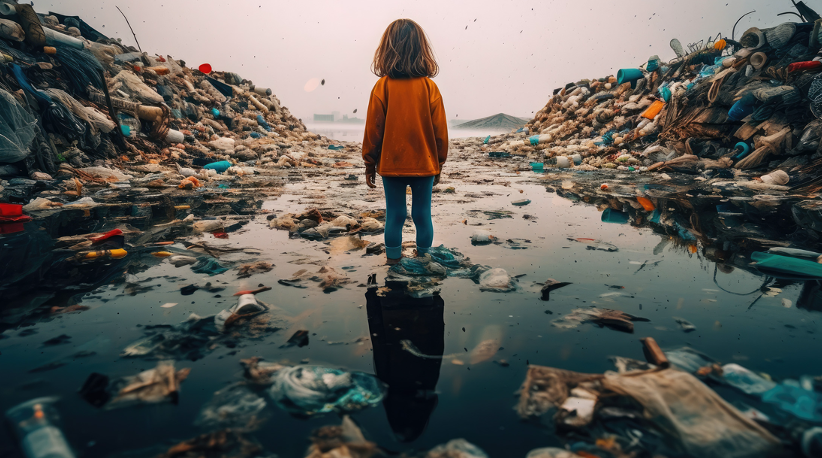
Over the past decade, single-use plastics have emerged as a critical component in the life sciences industry, offering a unique combination of convenience, sterility, and cost-effectiveness. While single-use plastics have played a pivotal role in advancing the industry, it is crucial to acknowledge their environmental repercussions.
In the ever-evolving landscape of scientific research, balancing groundbreaking discoveries with sustainable practices is critical, as labs are resource-intensive spaces with significant environmental impacts. Envision a world where every laboratory operates at peak efficiency, not just in its research but in its commitment to sustainability. Achieving this vision begins with one crucial element: education.