This report released during COP28 shows an increase in the sector's Race to Zero commitments while highlighting the need for increased action in scope 3 reductions and collaborative supply chain engagement

As most scientists and lab experts would agree, laboratories demand substantial resources and have a considerable ecological footprint. To put it in perspective, labs generate an astonishing 12 billion pounds (5.5 billion kg) of plastic waste annually and consume ten times the energy and four times the water compared to typical office spaces.
While many scientists have embraced the idea that environmental responsibility is paramount, it can seem daunting to actually implement sustainability best practices within a lab space. From research and development (R&D) to healthcare diagnostics and everything in between, labs are essential for worldwide knowledge acquisition and advancement.

Sustainability is an increasingly recognized value – and laboratories around the world are taking action to try to reduce their environmental footprint as much as possible.

Laboratories are some of the most resource-intensive spaces on the planet, using 10x more energy and 4x more water than office spaces and creating 12 billion pounds of waste each year. Going green is no longer an option but a requirement for creating long-term, positive changes to the way we operate in the lab. If you are part of a faculty setting up a new laboratory, or part of a team that is updating an existing lab, incorporating sustainable design elements should be a key priority.


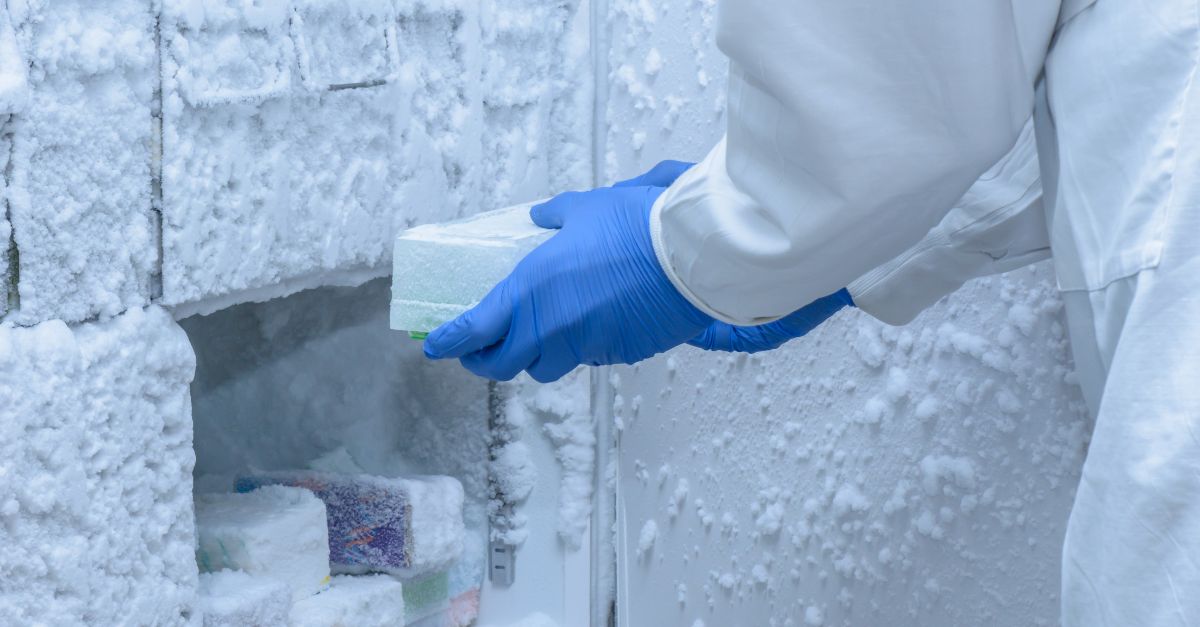
With over 1,200 labs from 27 countries and over 12,000 cold storage units participating, the 2022 Freezer Challenge has saved a total of 6,732 metric tons of carbon dioxide! This is the equivalent of the energy consumption of over 1,300 homes for one year. Since it's launch in 2017, the International Laboratory Freezer Challenge from My Green Lab and the International Institute for Sustainable Laboratories (I2SL) has saved a total of 24 million kWh of energy, reducing emissions by 16,796 metric tons, the equivalent of saving energy consumed by 3,268 homes for one year.